Introducing Bectran Intelligence Lab — AI tools for credit, risk, and collections.
Explore the toolkit →%20copy%201.svg)

Data Ecosystem

Corporate Credit Reporting
Pull risk scores, trade history, and corporate hierarchies into your workflow.








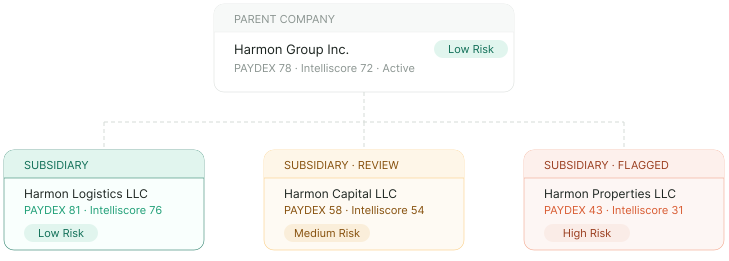
Entity Hierarchy Mapping
Parent companies, subsidiaries, and affiliated entities are identified and flagged automatically.
Automated Risk Alerts
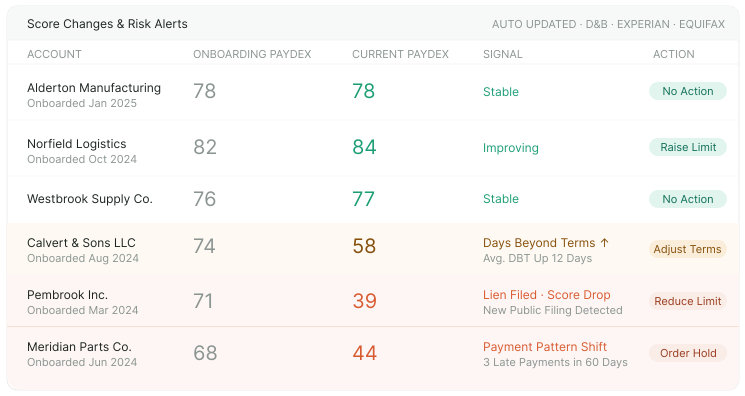
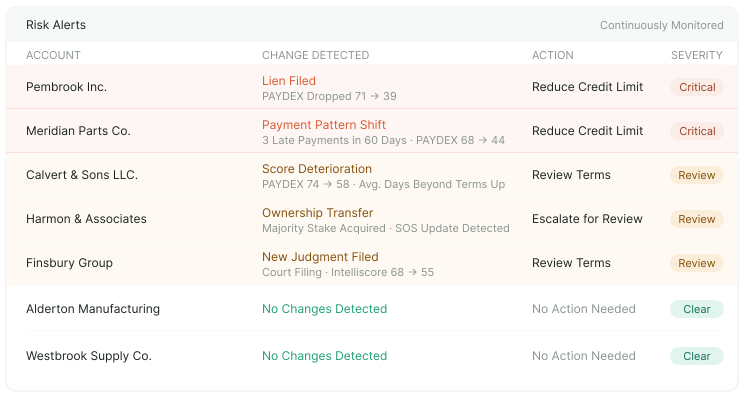
Material changes in risk scores, payment behavior, or public records trigger alerts before a problem escalates.

Bureau Integration
Risk scores, PAYDEX or Intelliscore ratings, trade history, and public filings auto-pull from D&B, Experian, and Equifax at the point of decision.
Dynamic Data Refreshes
Credit profiles update automatically as new data becomes available, keeping the team off stale snapshots.
A single entity's credit profile can look clean while related companies carry significant delinquency risk. PAYDEX scores, Intelliscore ratings, and trade payment history across the entire corporate family reveal exposure that a single-entity view would leave invisible.
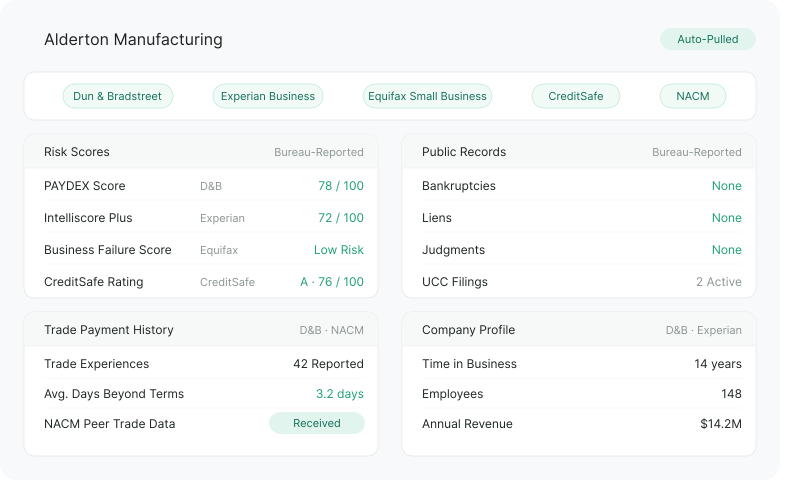
Pull reports from Dun & Bradstreet, Experian Business, Equifax Small Business, CreditSafe, NACM, and more without leaving the platform. Data is automatically entered into the applicant record, reducing the time between submission and decision.
Risk scores, payment behavior, and public records update continuously across every account in your portfolio. Deteriorating scores, new public filings, or shifts in trade payment patterns are the signals that precede a default.
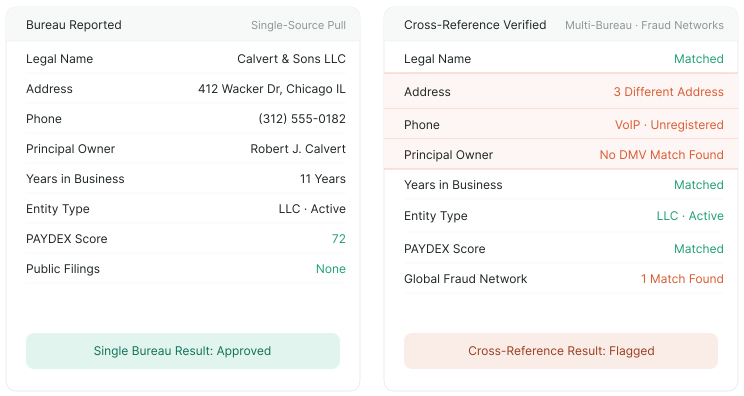
Confirm business legitimacy by cross-referencing entity records across multiple bureaus and global fraud networks, flagging inconsistencies between reported and verified information early in the review.
Respond before a write-off reaches the balance sheet. When a risk signal surfaces, Bectran routes it to the right action: a limit adjustment, a terms review, or a collections escalation. Accounts don't sit in a deteriorating state waiting for someone to notice.
A parent company can be financially healthy while a subsidiary carries significant delinquency risk. A new applicant can have a clean credit file while affiliated entities have a history of defaulting on trade terms. When credit teams evaluate accounts without visibility into corporate hierarchies, those relationships stay invisible until something goes wrong. By the time the connection surfaces, the exposure is already on the balance sheet.

A regional distributor was assessing risk across customers operating under multiple business names, with credit applications coming in clean but unexpected delinquencies surfacing months later tied to affiliated entities. After integrating corporate credit reporting into the review process, the team gained instant visibility into corporate hierarchies and consolidated credit profiles. Bad debt exposure dropped 20% and application review time decreased 50%.


An industrial supplier managing a large B2B portfolio was discovering deteriorating creditworthiness only after accounts had escalated to collections. After enabling continuous monitoring through corporate credit reporting, the team began receiving alerts on material changes to risk scores and trade payment behavior. Limit adjustments and proactive terms reviews now happen before delinquencies reach collections.